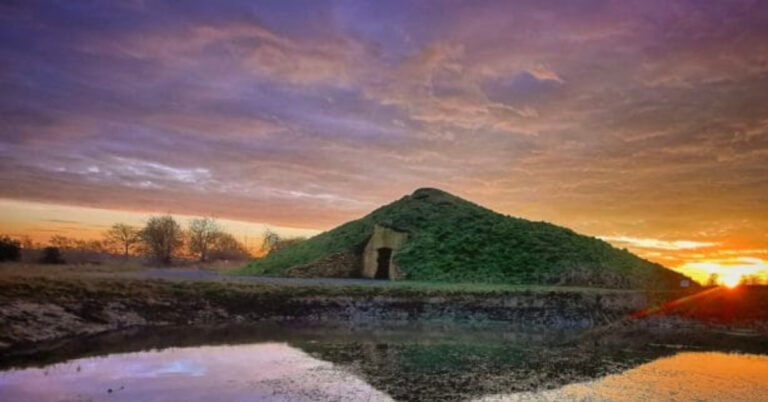
What does a green funeral mean? At some point in our lives we (or our family) have to think about how we want to happen to our body when we die. We are becoming increasingly interested in looking after our beautiful earth and working in sustainable ways so this is a big topic. Both burials and cremations lead to waste products, so how can we reduce impact and have the most environmentally conscious ending? Or at least have some consideration towards this?
Cremations
Cremation involves using fossil fuels to burn a body. It uses a lot of energy and produces air pollution and carbon emissions including carbon monoxide. Coffins often contain metals and plastics so when we burn them chemicals are released into the atmosphere. Although cremaratoriums take steps to reduce the impact, pollution is still created. One cremation is estimated to produce 535 lbs of CO2. This is the equivalent of a 609-mile car journey in an average sized car.
Burials
Burials also have an environmental impact. Traditional burial requires land which is becoming a scarse commodity. Depending on what a person is buried in, it can involve burying of huge quantities of metal, wood and chemicals each year. Toxins from the coffin and the body can leak into the ground potentially contaminating water supplies.
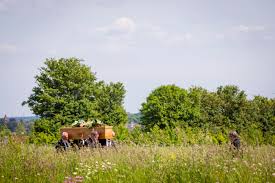
Green Burial
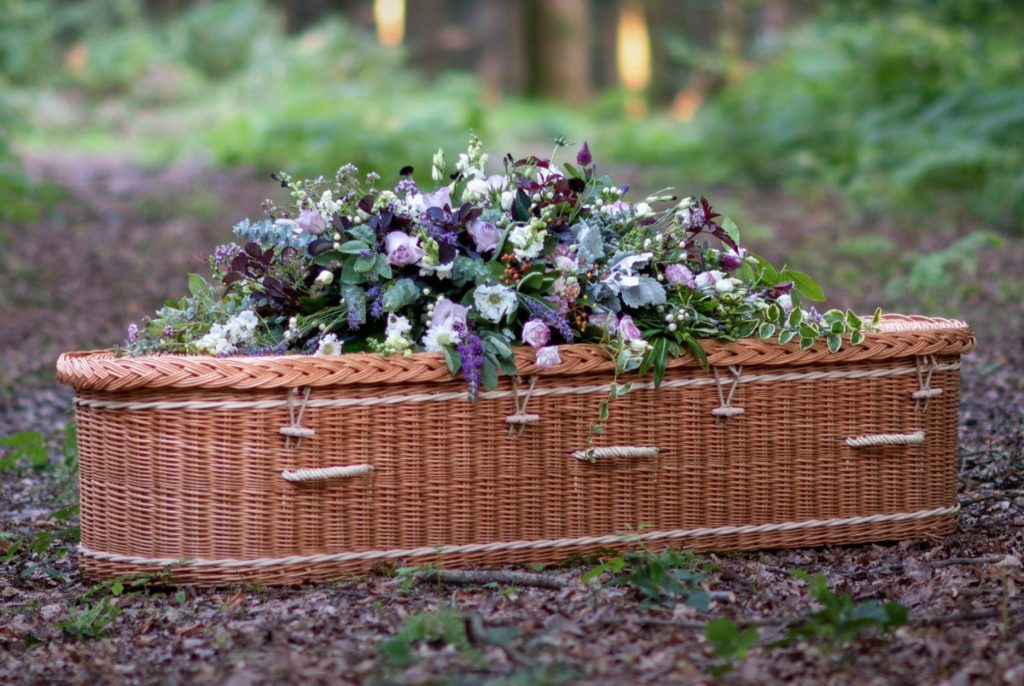
Green burials are becoming a popular alternative to cremation. They can also be called natural burials or eco burials. More and more green burial and woodland burial sites are popping up in the UK. A green burial involves being conscious of the environmentally damaging aspects of conventional burial then trying to avoid these. Some ideas include using an eco-friendly casket or shroud. This allows the body to return to the earth as quickly and natutally as possible. Other ideas include planting a tree in woodland burial ground. This then releases oxygen rebalancing CO2. You can contribute to a carbon offseting company, green charity or rewilding projecy which are all working towards improve the environment.
Human Composting
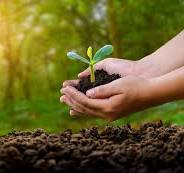
Another possibility which is not yet legal in the UK is human composting. Here the body is gently turned into nutrient rich soil. Families can then keep this soil to become part of their garden and scatter seeds or plant a tree. The remaining soil can be returned to the Earth and used for land conservation purposes, such as wildfire restoration and reforestation. The body’s nutrients are naturally returned to the earth, fostering new life and completing the natural cycle.
Stages of Human Composting
The process goes through these stages. The body is cleaned and any non-biodegradable materials removed. It is then placed in a biodegradable shroud or coffin. From here it is placed into a specially designed terramation vessel, which is filled with a mixture of organic materials such as wood chips, straw, and other natural sources of carbon and nitrogen to facilitate the decomposition process. The vessel is closed, and the temperature and humidity are regulated to create an optimal environment for the natural breakdown of the body. Aerobic bacteria and other microorganisms decompose the remains, producing heat, carbon dioxide, and water as byproducts. This process typically takes 4-7 weeks. After the decomposition is complete, the nutrient-rich soil is removed from the vessel. It is screened to separate any remaining non-biodegradable materials, such as metal dental fillings, which are then responsibly disposed of or recycled.
Water Cremation or Aquamation
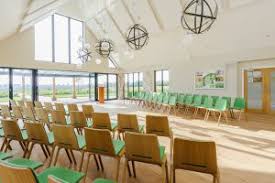
This is a new process in the UK. It is also known as alkaline hydrolysis, aquamation. The body is immersed for three to four hours in a mixture of water and a strong alkali, such as potassium hydroxide, within a pressurised metal cylinder. It is then heated to around 150C. The process liquifies everything except for the bones, which are then dried in an oven and reduced to white dust, placed in an urn and handed to relatives. In some ways it provides a conceptually similar alternative to cremation.
I hope these words give you some things to think about! How will you create yout green funeral? If you want more information about planning a funeral, see my funeral page: https://emilymyerscelebrant.co.uk/funerals
Here are some other useful links to help with create a more green ending for yourself or your loved ones.