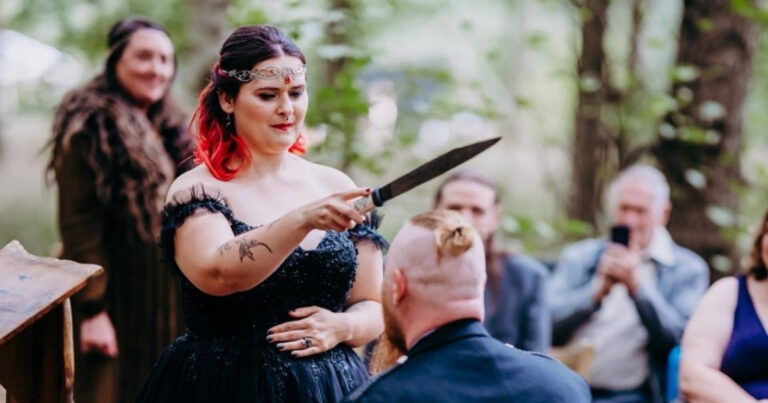
People are often curious about what actually happens at a pagan ceremony or ritual. Before we explore the structure of a ceremony, it helps to understand what Paganism is and why it speaks to so many people today.
What Is Paganism?
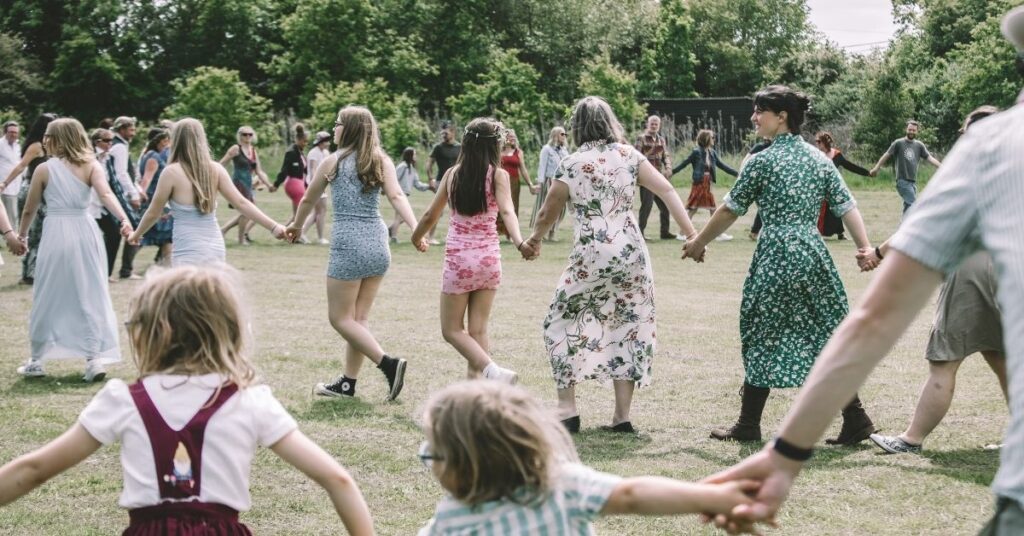
Paganism is a broad term that describes many nature-based spiritual paths from across the world. Although these traditions go by different names, they share common values: reverence for nature, honouring the cycles of life, death and rebirth, and recognising the sacred within the natural world.
Many people who identify as pagan feel deeply connected to the seasons, the waxing and waning of the moon, and the turning points of the year such as solstices and equinoxes.
Pagans often hold an animistic worldview – the belief that all beings and elements of the world have spirit and presence. Humans and animals, plants and trees, rivers and mountains are all seen as part of a living, breathing community. Paganism invites us into a relationship of respect and responsibility with the land and all forms of life.
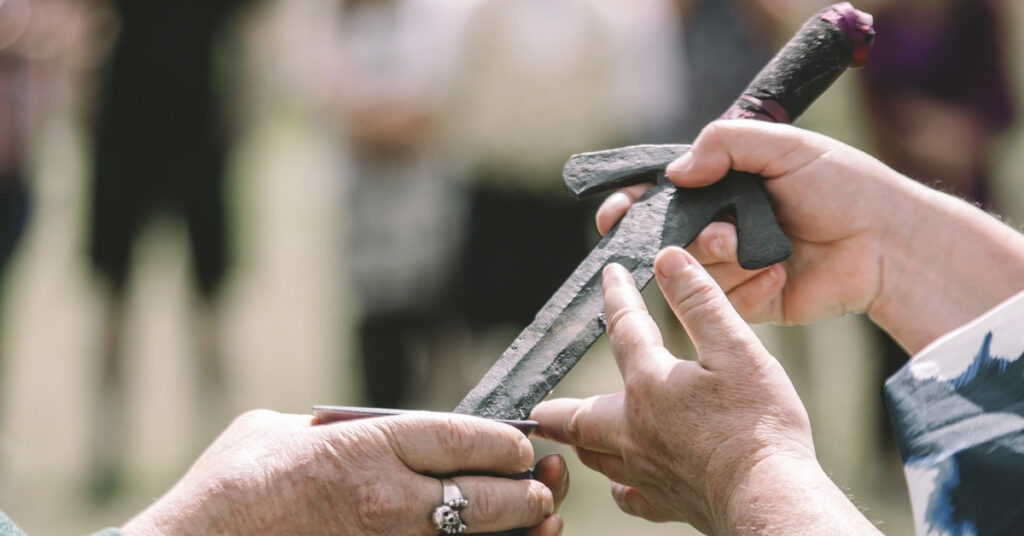
Some later pagan traditions became polytheistic, involving the worship of multiple gods and goddesses. Many pagans also work with symbolic tools such as candles, herbs, altars, circles, or ritual blades, using them for healing, protection and spiritual focus. Each tradition has its own forms of ritual and magic.
Pagan Paths and Traditions
Some of the many pagan traditions include:
- Wicca – a modern pagan religion centred on nature, magic, and the worship of the Goddess and God
- Druidry – inspired by ancient Celtic spirituality and mythology
- Heathenry – rooted in Norse and Germanic traditions
- Hellenism – based on the spiritual traditions of ancient Greece
Each path has its own beliefs and practices, but all share a deep respect for the natural world.
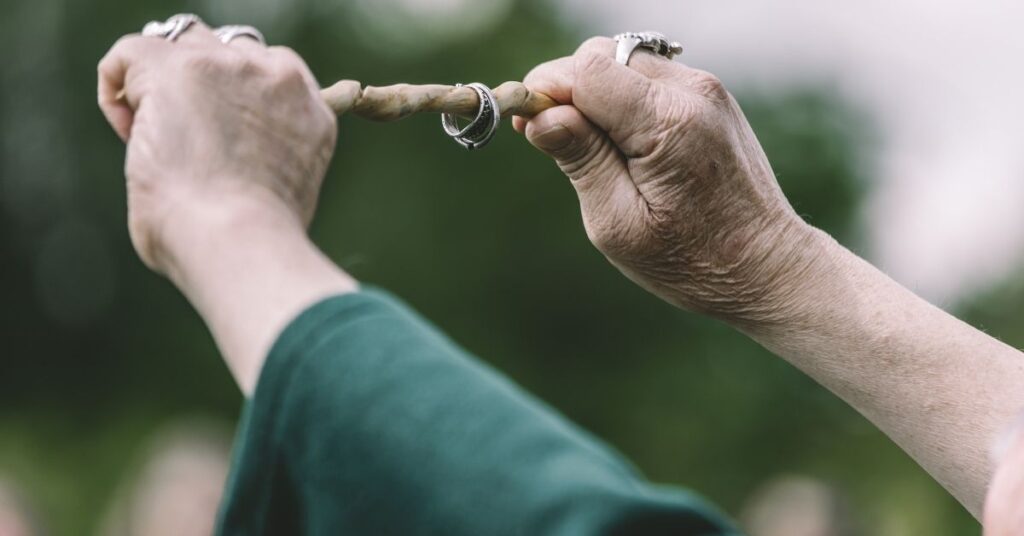
Taking Part in a Pagan Ceremony
Participating in a pagan ceremony for the first time can feel deeply spiritual and moving. Many people say it feels more embodied and real than other religious experiences they have known. This is one reason Paganism has become one of the fastest-growing spiritual paths in the Western world.
At its heart, pagan ceremony is about celebrating the earth, honouring relationships, and recognising love and change in all their forms.
What Happens During a Pagan Ceremony?
While every ceremony is unique, most pagan rituals follow a similar energetic structure.
Creating the Sacred Space
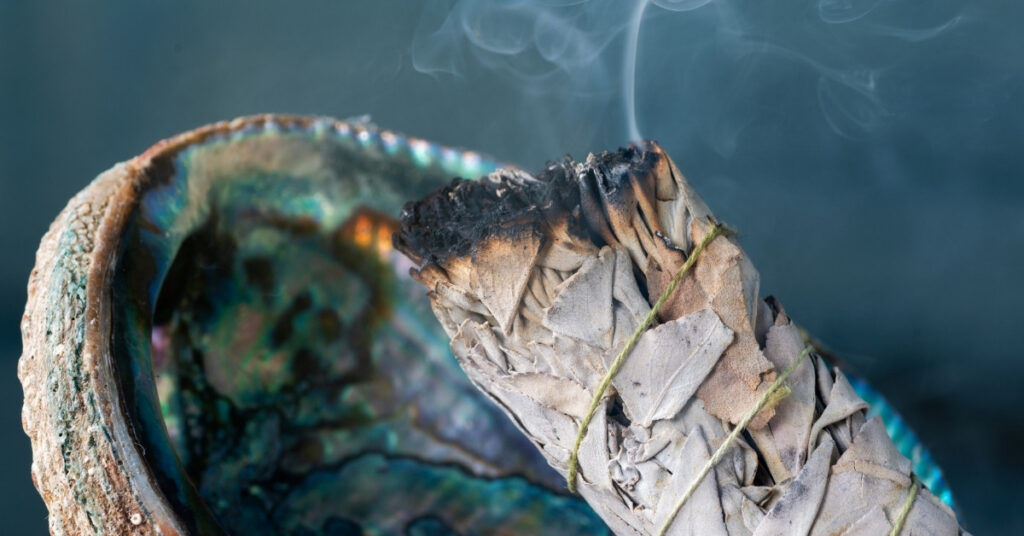
A ceremonial space is created, often in the form of a circle – a powerful and protective shape. The space is cleansed and consecrated using incense or herbs (Air and Fire), and salt mixed with water (Earth and Water). This marks the boundary between everyday life and sacred ritual.
Participants may be cleansed with smoke or anointed with oils or ochre to help them enter the ceremonial space with intention.
Calling the Directions and Elements
The four directions and elements are called in for guidance and balance:
- Air in the East
- Fire in the South
- Water in the West
- Earth in the North
Different traditions work with these differently, but the intention is always to invite support, balance and presence.
Invoking Deities or Spirits
Depending on the tradition, the ceremony may include calling on gods or goddesses, honouring ancestors, or inviting the spirits of place or nature.
The Main Ritual or Rite of Passage
This is the heart of the ceremony – whether it is a handfasting, wedding, naming ceremony, coming-of-age ritual, mother blessing or funeral.
Words are spoken and symbolic acts are performed, such as tying cords, exchanging rings, jumping the broom, lighting a unity flame, or sharing from a chalice. These actions help mark the transition being honoured and set intentions for the path ahead.
Leaving Offerings
Offerings may be made as acts of gratitude or release. These are always natural, biodegradable and respectful to the environment – such as flowers, herbs, or symbolic gifts.
Closing the Ceremony
The ritual space is gently closed by thanking any beings or energies invited, releasing the elements, and grounding participants. This often involves sharing food and drink – traditionally cakes and ale – and offering a portion back to the Earth in thanks.
The ceremony usually ends with celebration: feasting, music, dancing or raising a toast to the next chapter of life.
Learn More About Pagan Ceremonies
If you would like to explore working with a pagan celebrant or creating an earth-based ceremony of your own please click here to find out more.