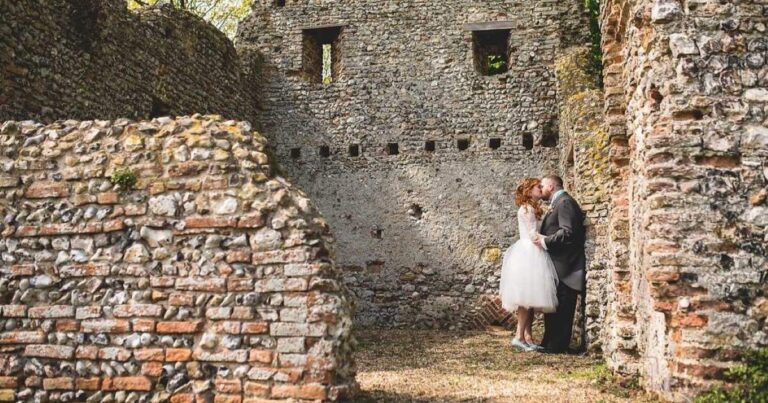
Handfasting Ceremonies
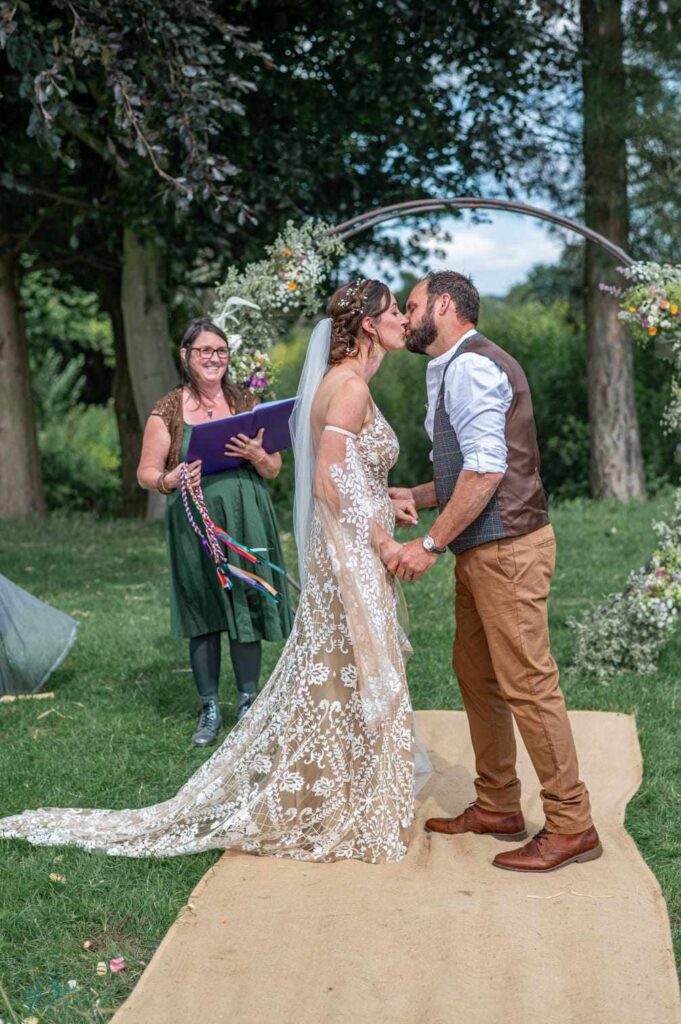
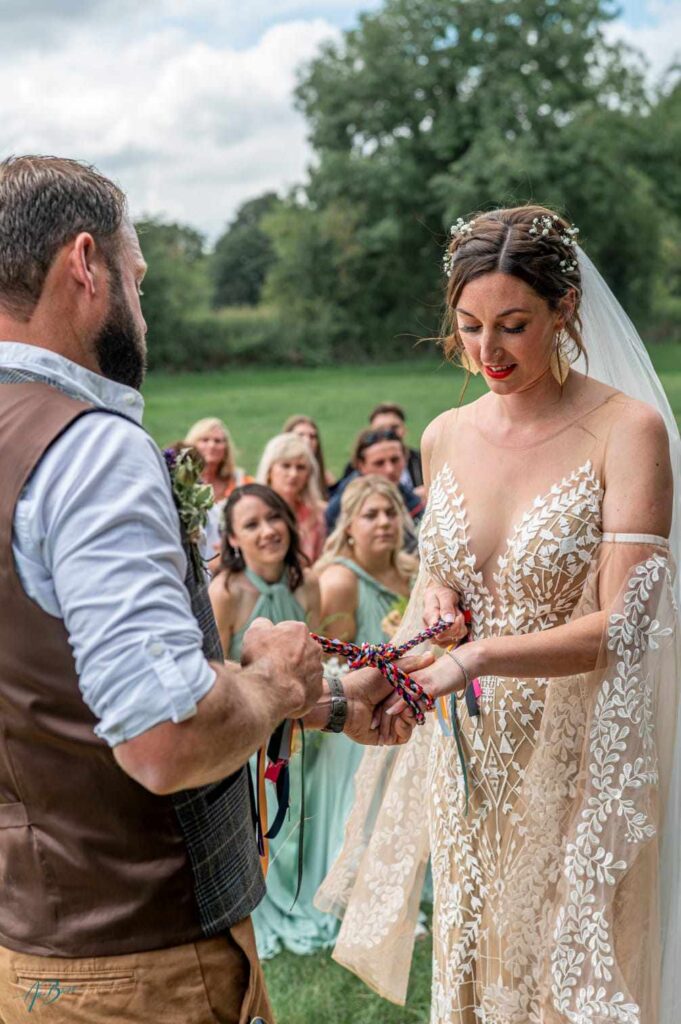
A Handfasting Ceremony is an ancient Celtic wedding tradition where two people tie their hands together to symbolise their commitment. This ritual, rich in symbolism, has its roots deep in history. You’ve probably heard the term ‘tie the knot’ but have you ever really thought about where it comes from. The term ‘Handfasting’ originates from the Old Norse word ‘handfestr,’ meaning to strike a bargain or bind.” In days past not everyone could not afford a ring, so the cord and ritual of tying hands together signified the betrothal of two people. Today it is a commitment ceremony and pagans believe it magically and energetically binds two people as one. By binding your hands you signify your union and promise to be together as one. The act of tying the cord seals the agreement. You can choose to be Handfasted for a year and a day or forever.
What happens at a Handfasting Ceremony?
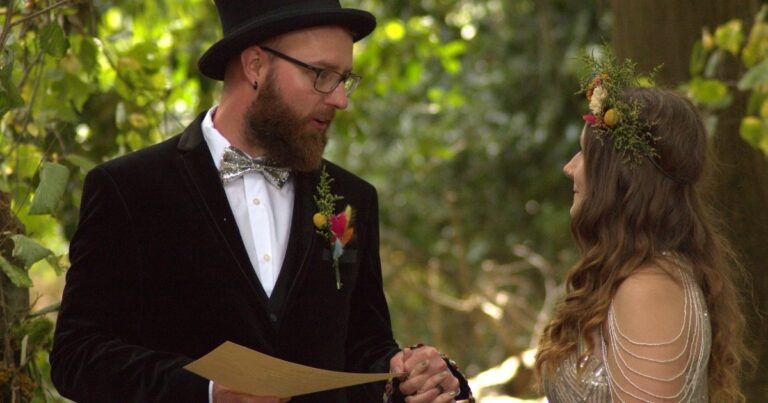
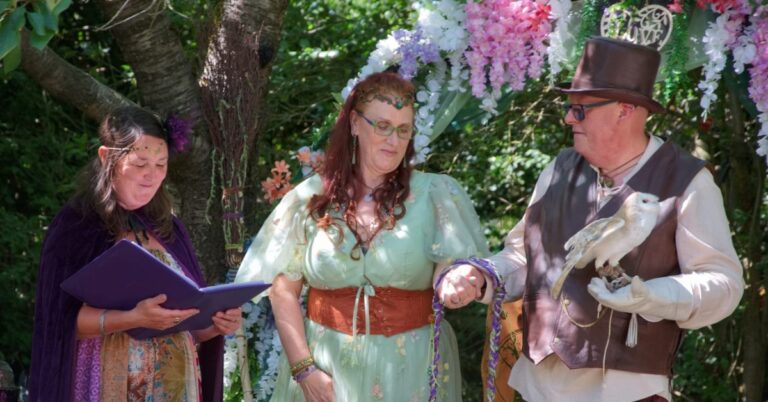
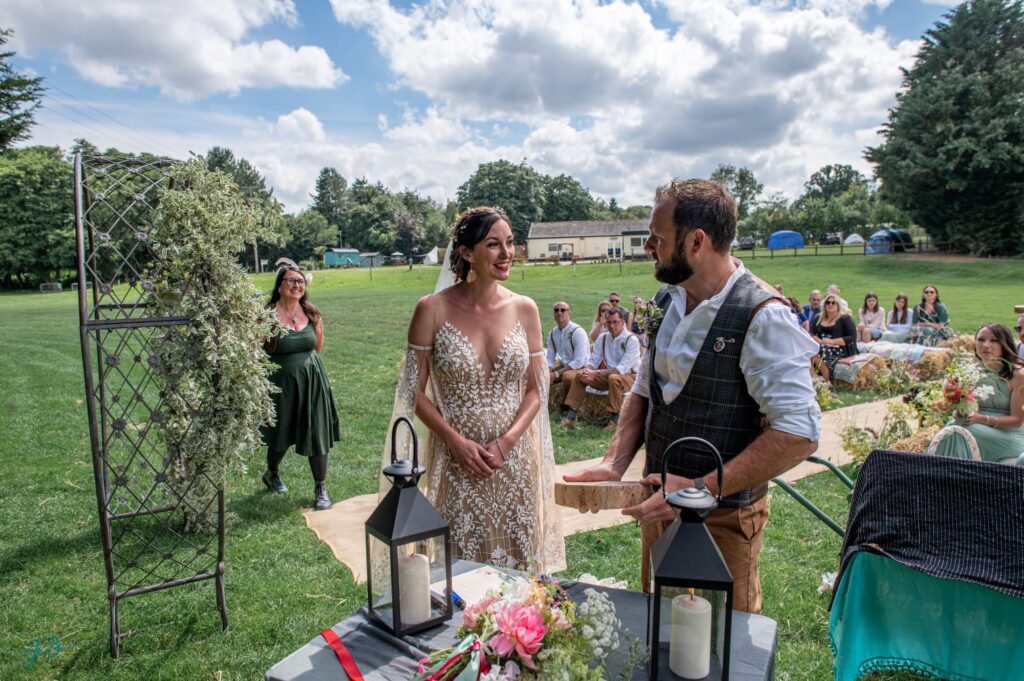
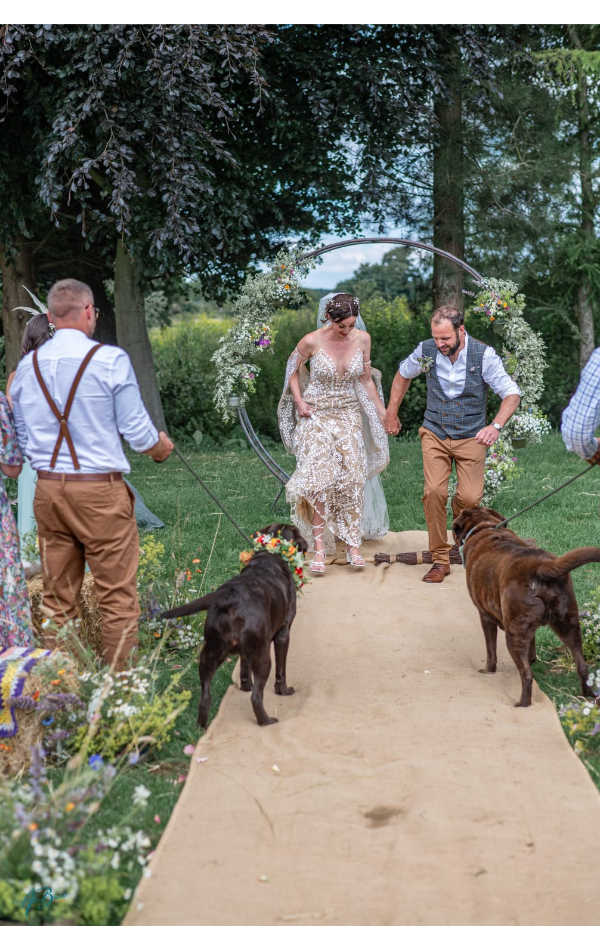
Handfasting ceremonies usally take place outdoors in nature, with participants forming a circle around the couple. The quarters (elements of nature) may be represented using incense in the South for fire, feathers in the East for air, stones or rocks in the North for earth, and a chalice in the West for water. The couple faces each other to exchange words and vows, expressing their commitment and promises. The celebrant may use a broom to symbolically sweep the path ahead or the couple may jump over the broom to mark the transition into their married life.
Can anyone have a Handfasting Ceremony?
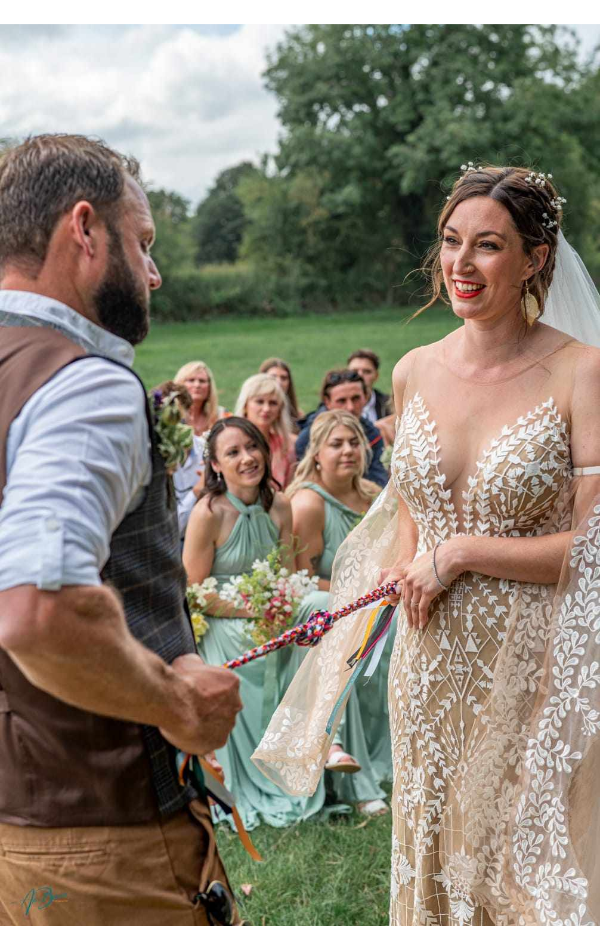
Yes, anyone can have a handfasting. The ritual is chosen for its symbolism and imagery. If it feels meaningful to you, it is suitable for you. You can involve family members, children, or friends by making the cords. During the handfasting, friends and family can each place a ribbon over your hands. This effectively ties your family together as one. You can choose a special time such as the full moon or a meaningful date for your ceremony.
Handfasting Cords
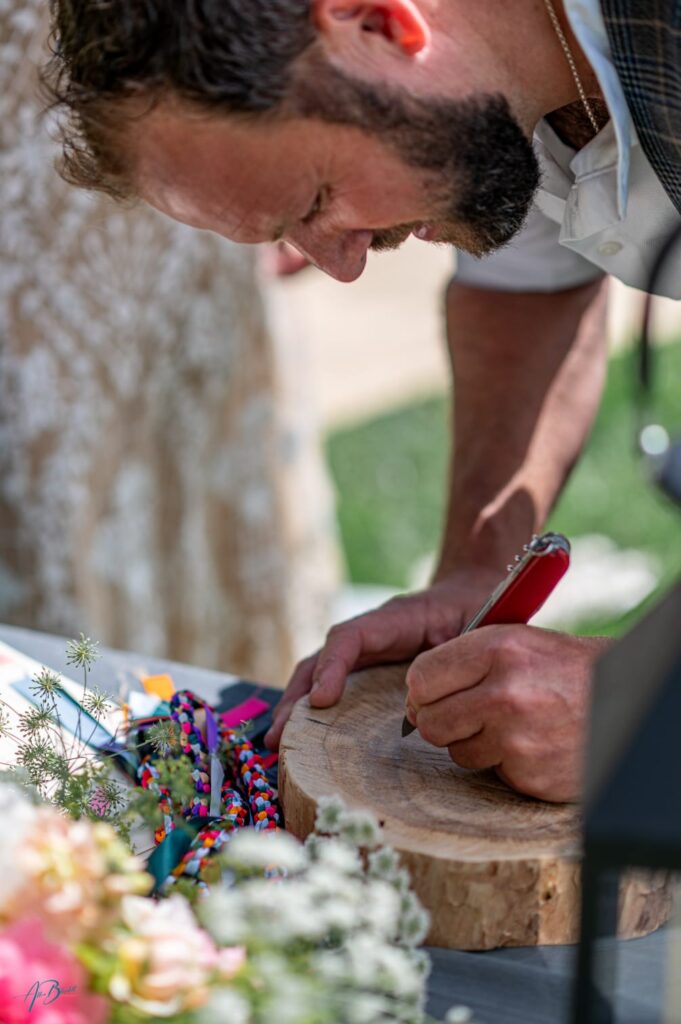
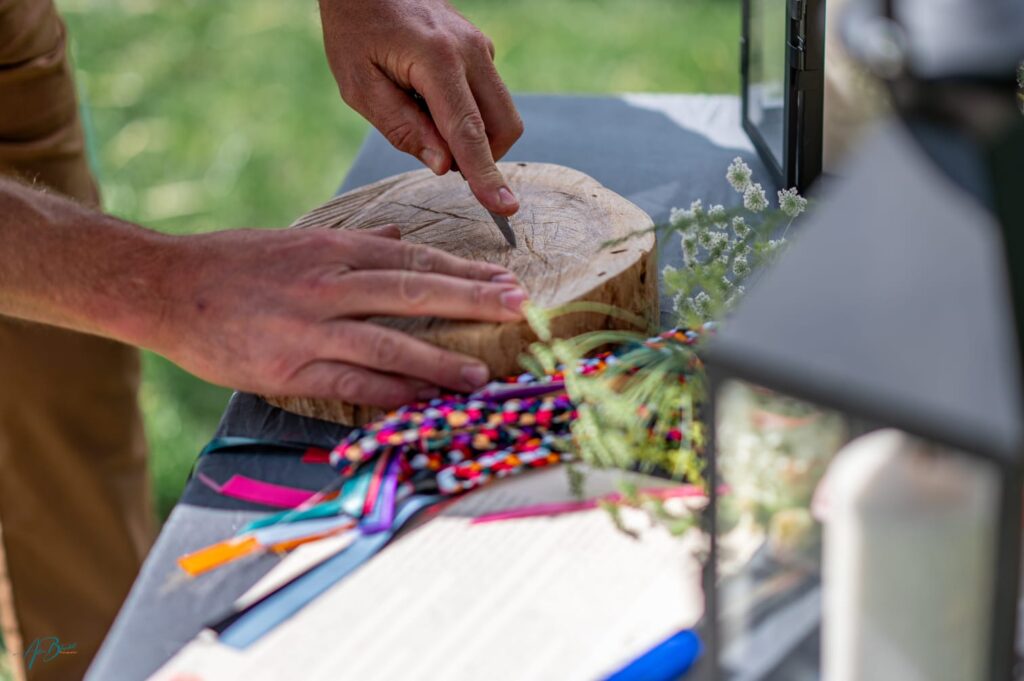
I encourage couples to make their own cords as this infuses the cords with your personal energy, aspirations and dreams. Instructions on how to make the cords are provided, although it is also possible to purchase pre-made cords or have them custom-made online. Following the ceremony, couples may choose to remain bound by the cords for the remainder of the day or remove them, as the symbolic union has been made. Each colour within the cord represents a distinct quality that the couple wishes to incorporate into their partnership and future together.
Choosing and making your Handfasting Cords
In the past, couples made cords from wool or linen. They added beads or decorations. Different cord colours represent qualities, commitments, or aspects of your relationship. You can add charms, trinkets, and small photographs to cords. Pictures of family members, pets, tokens of remembrance, or initials can be used. After the ceremony, keep cords as keepsakes and reminders of commitments. They can be used for future ceremonies.
Handfasting Knots
Different knots hold different significance. Each knot represents a quality or intention you wish to infuse into your relationship. For example, the basic knot signifies the joining of two lives. Other knots represent strength, communication, and loyalty. Some believe knotwork determines the strength of a couple’s bond.
The infinity knot, also known as the figure-of-eight method, is the most popular for handfasting cords. Your celebrant creates a figure-of-eight shape with the cords. Then ties them together. This creates a never-ending loop of energy between the two people being handfasted. If you want a personal touch, knot the cords in a special pattern. It could be significant to you and your partner. Perhaps a certain knot is used in your family tradition or it has a special meaning to you. Whatever you choose, ensure it feels right for you and your relationship.
More information about Handfasting and types of knots can be found here. https://www.thecelebrantdirectory.com/art-of-handfasting/
Find out more about Wedding and Handfasting Ceremonies here: https://emilymyerscelebrant.co.uk/weddings-and-handfasting/